
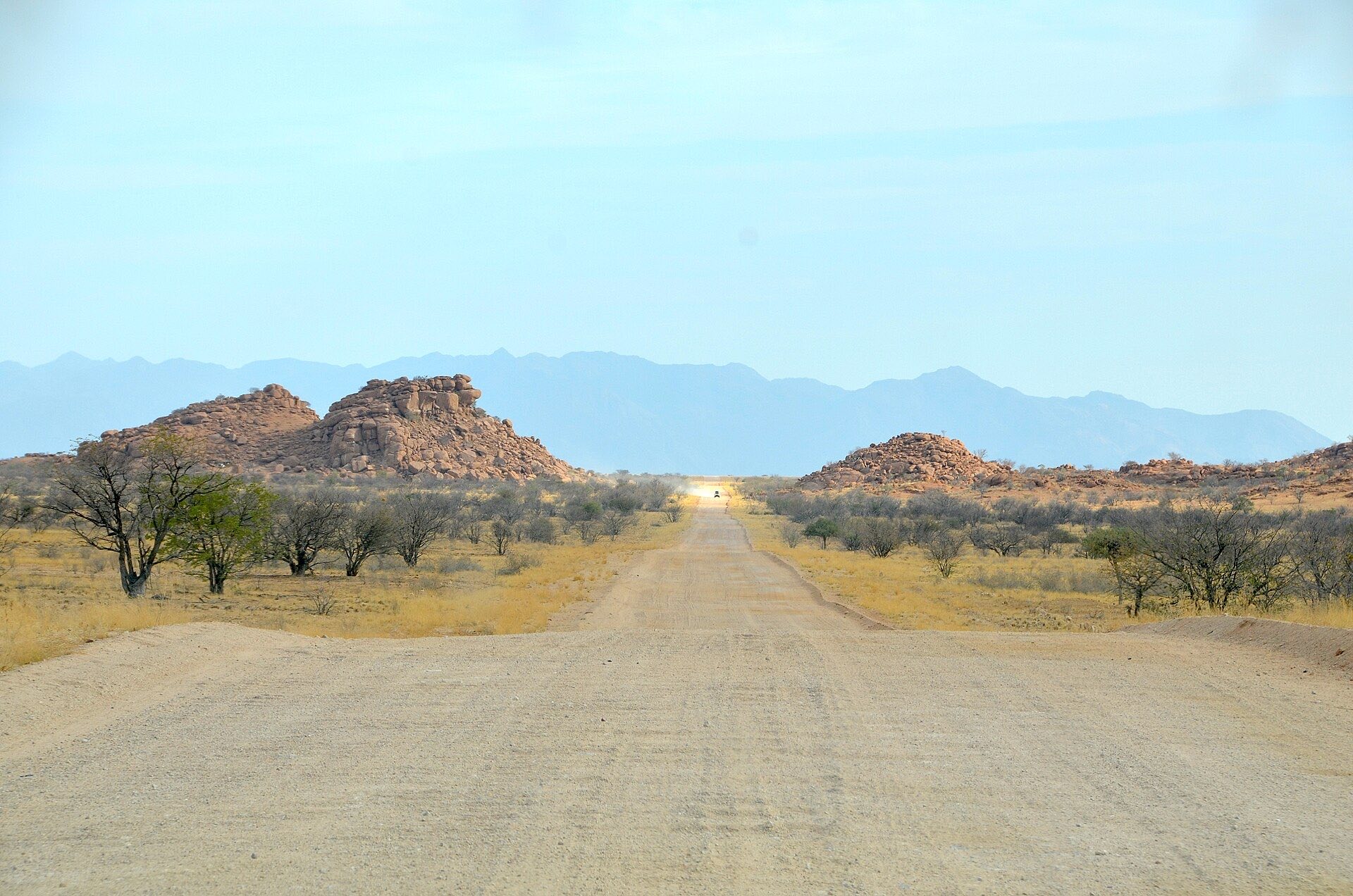
Teams in the field, never out of sight.
Technicians, NGO convoys, telecom and utility crews work far from the office. Iricka Fleet keeps their vehicles visible, records every site visit and helps keep remote vehicles road-worthy.
A technician's day, reconstructed from data — not memory
Call-outs, site visits and fuel stops usually exist only as a mental timeline until someone asks for a report. When crews work hours from the nearest town, knowing where they are is also a matter of safety.
Iricka Fleet records the day automatically: trips from site to site, geofence visits at customer locations with time on site, and the live position of every vehicle with the time of its last report.
What field operations fleets are up against.
A technician's day, reconstructed from memory
Call-outs, site visits and fuel stops that only exist as a mental timeline until someone asks for a report.
Remote crews
When a crew is hours from town, knowing where they are is a safety issue.
Proving the visit
Customers and auditors want evidence that a site was visited, and for how long.
Vehicles far from the workshop
A breakdown far from base is expensive and dangerous.
What changes when the fleet is in view.
Know where every crew is
Live positions and last-update times for every field vehicle, and device monitoring for trackers that stop reporting.
- Live map and status
- Last update per vehicle
- Device offline alerts
Prove every visit
Geofences at customer sites and towers log arrival, departure and time on site automatically.
- Entry, exit and time on site
- Driver on each visit
- Geofence reports
Automatic trip logging, exportable the moment it's needed
Every journey is recorded automatically with start and end address, distance, duration and driver.
- Trips per vehicle and driver
- Addresses from coordinates
- PDF and CSV export
What a day looks like with Iricka Fleet.
An illustrative scenario, showing how the platform's features fit into a typical day.
Leave base
Two crews leave Kinshasa; trips start automatically.
First site
A geofence entry at the tower site records arrival; time on site is measured.
Tracker battery
A low battery alert on a pickup's tracker is flagged to the technical team for the next workshop visit.
Second site
Visit recorded: 1 h 50 min on site, driver attached.
Report
The coordinator exports the day's trips and visits for the customer.
The Iricka Fleet modules field operations teams rely on.
GPS Tracking
Live position, speed and status.
Explore →Geofencing
Zones, visits and time on site.
Explore →Trips
Every journey, recorded automatically.
Explore →Alerts
Overspeed, fuel, battery, device health.
Explore →Vehicle 360
Everything about one vehicle.
Explore →Reports
Trip, fuel, maintenance, vehicle, geofence.
Explore →How we set it up for field operations.
Every deployment starts with a fleet assessment. This is the configuration we typically start from.
| Typical assets | 4×4s, pickups, service vans, pool cars |
|---|---|
| Zones | Customer sites, towers, substations, depots |
| Alerts | Low battery, device offline, no GPS signal, overspeed |
| Reports | Trip and geofence reports per crew and period |
Common questions.
Can we prove a technician visited a site?
With a geofence on the site, each visit is recorded with entry and exit times, time spent and driver.
Do crews need to do anything?
No. Trips and visits are recorded automatically from the tracker.
What if a tracker stops reporting?
A device offline monitoring rule raises an alert after the number of minutes you choose.
The same platform, configured for other operations.
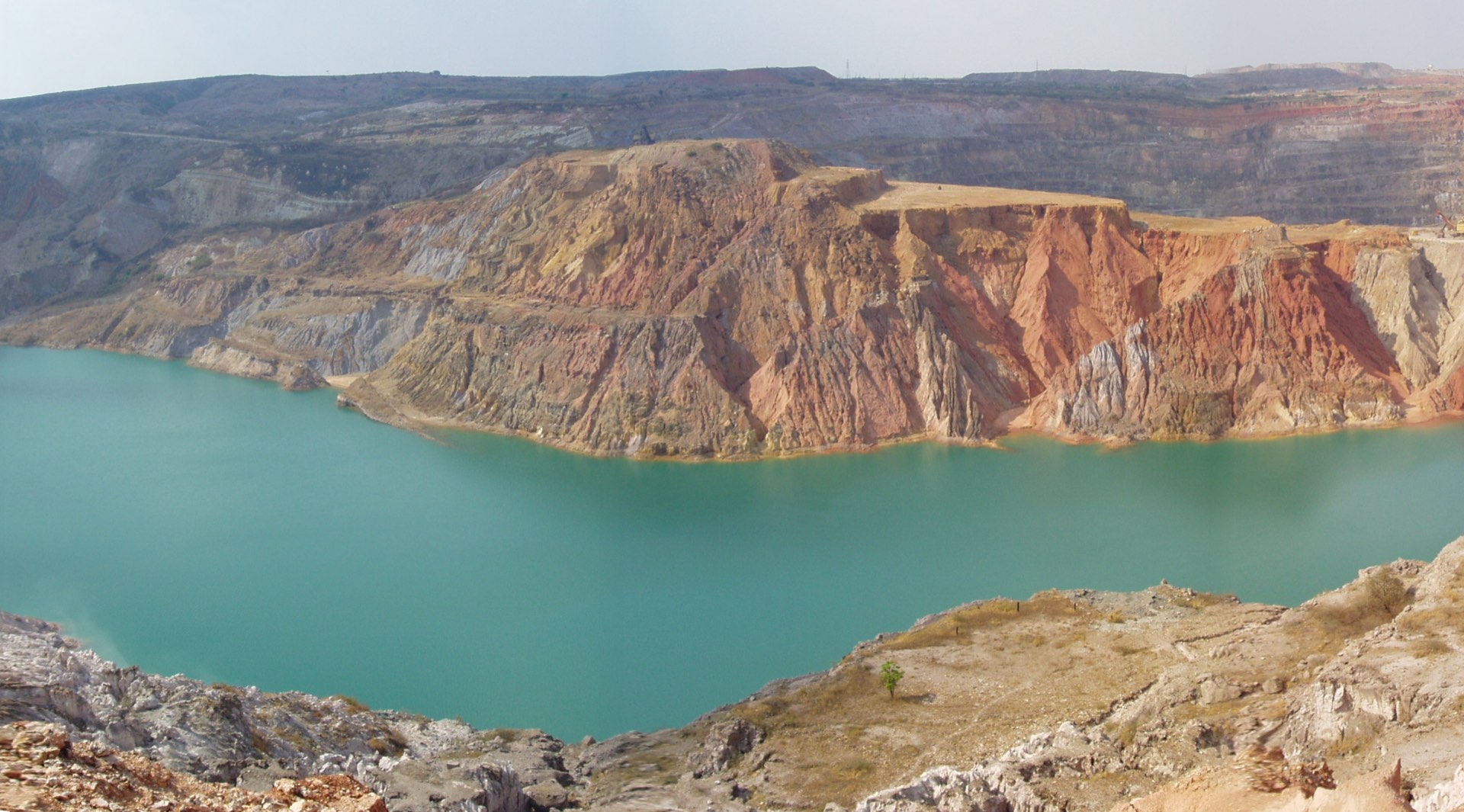
Fleet control for mines that never stop.
Haul trucks, tankers and site vehicles.
Iricka for Mining →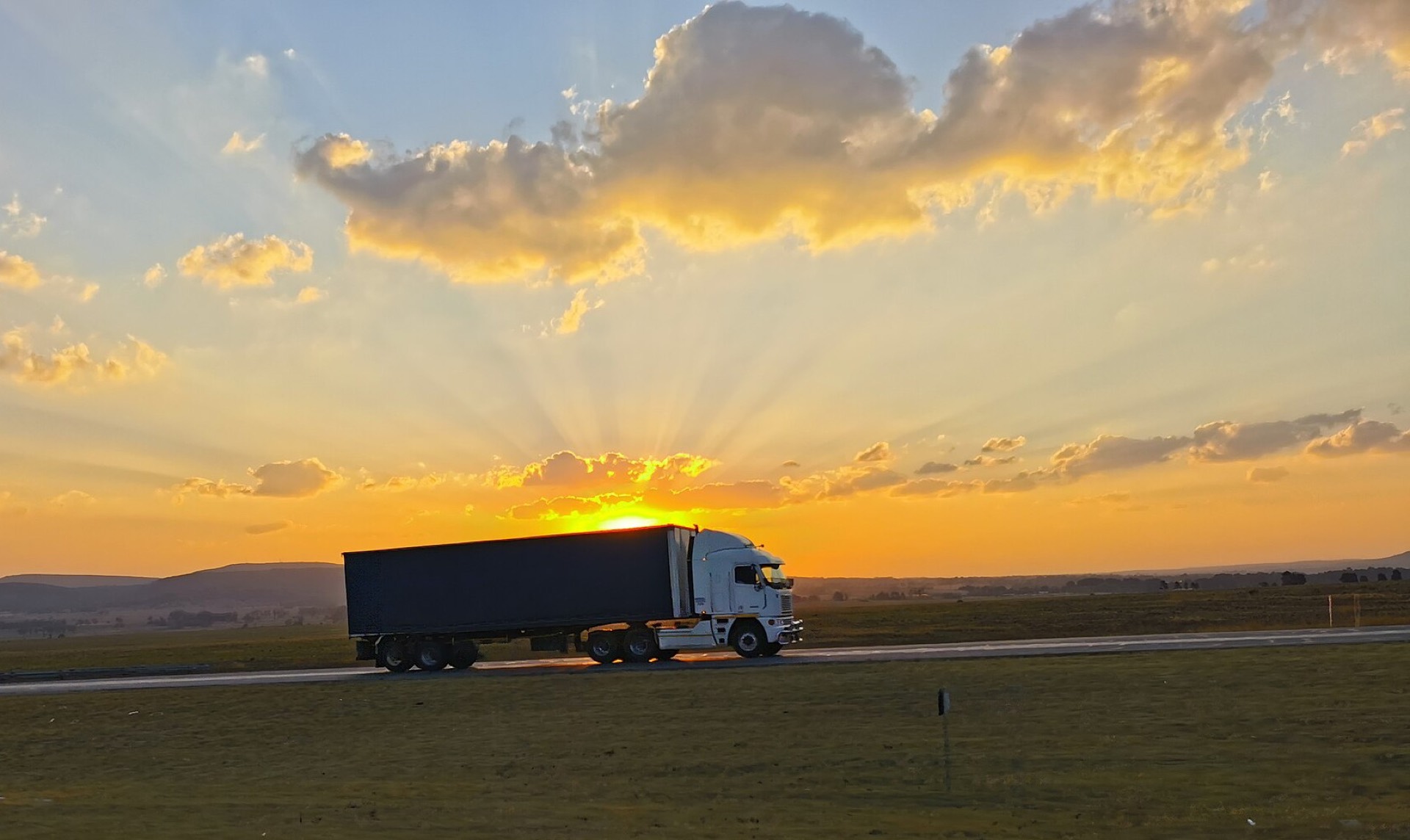
Every load, every corridor, in view.
Long-haul freight and corridors.
Iricka for Logistics →
Safer, more punctual passenger fleets.
Buses, shuttles and passenger fleets.
Iricka for Transportation →Talk to us about your field operations fleet.
Tell us the fleet size, the routes, and what you're trying to control. We come back with a sized recommendation and a realistic rollout plan.